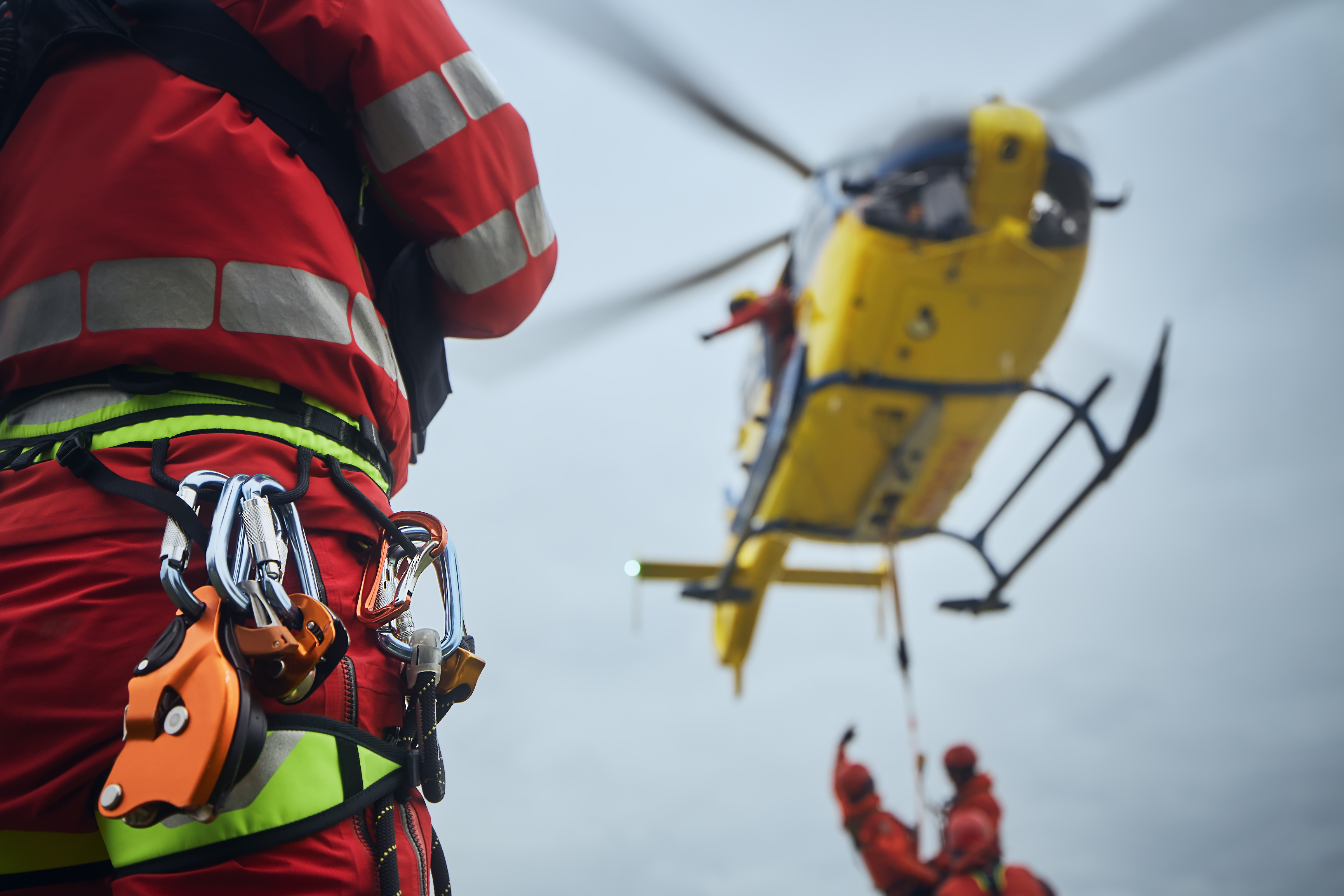
We build rugged communications and tracking hardware for emergency responders and field teams who have to operate when normal infrastructure is unreliable or missing entirely.
Our equipment helps teams stay connected, share information, and know where their people are — even when cell networks, radio systems, or power are degraded, overloaded, or gone.
In real incidents, infrastructure does not fail cleanly. Sometimes it degrades. Sometimes it disappears. Sometimes it was never there in the first place. But operations still happen, and command still needs to know where everyone is.
That is what drives how we design our hardware.
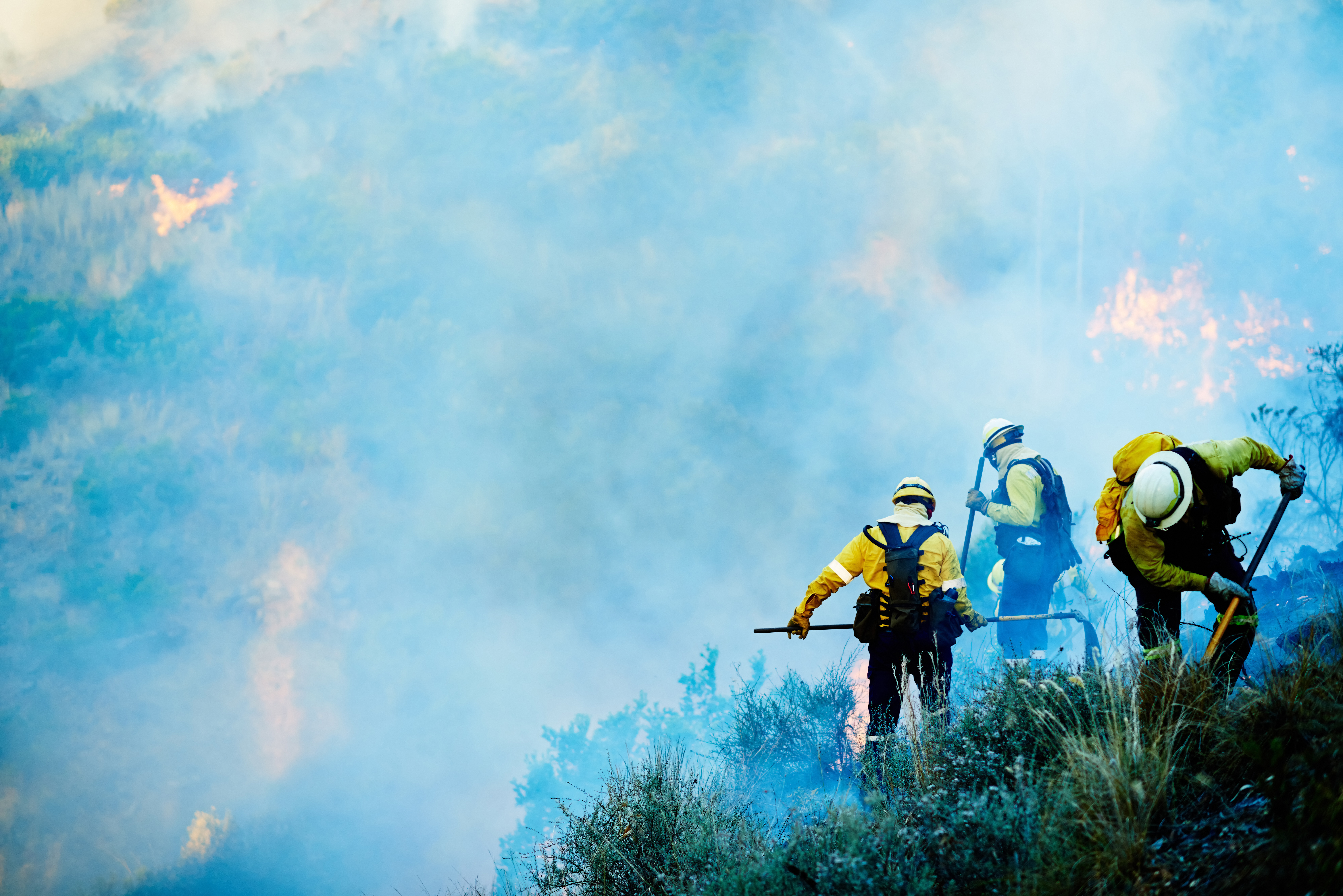
AT Labs devices function as portable operational infrastructure. They extend existing systems when those systems are working, and replace them when they are not — or when they never existed to begin with. Everything we build is designed around three pillars.
Extruded aluminum housings, IP-67/68 sealing, MIL-STD-810H testing. Built for real environments and real weather — not lab conditions.
Massive internal batteries and optional solar infrastructure. Operations do not stop because a battery died. Our hardware is engineered to outlast the incident.
Ad-hoc MANET mesh with no infrastructure dependency. Every node extends the network. Every unit is a repeater. The system works without towers, without internet, without anything external.
The RM-1 was field-tested during the recovery efforts following Hurricane Helene — one of the most significant natural disasters in recent Appalachian history. In environments where commercial communications infrastructure was destroyed or overwhelmed, AT Labs hardware established mesh networks that kept responders connected and located.
"Because operations do not stop just because infrastructure does."
Every product that leaves AT Labs has been built and tested by people who understand what the stakes are when gear fails in the field. That accountability is built into the hardware.
View Our Products