SEARCH & RESCUE COMMUNICATIONS IN REMOTE AND INFRASTRUCTURE-DENIED ENVIRONMENTS
Search and rescue teams routinely operate where terrain, vegetation, distance, and disaster damage make traditional communications unreliable. AT Labs builds deployable communications and responder accountability systems designed to keep teams connected, visible, and coordinated when conventional infrastructure cannot be trusted.
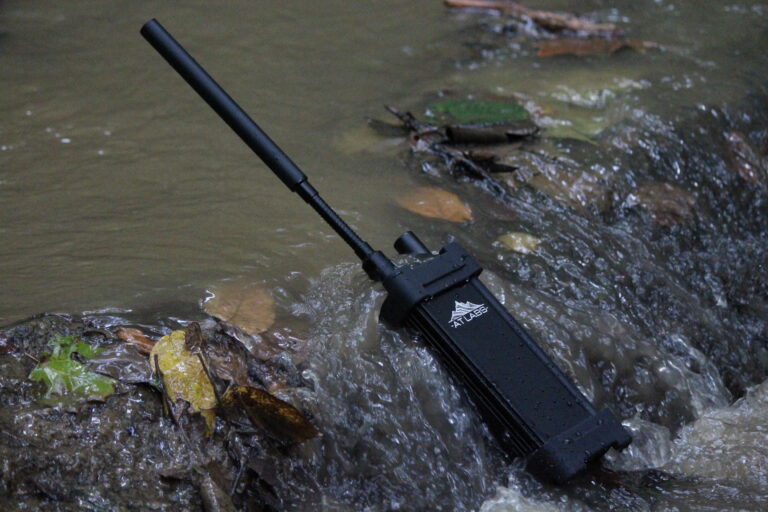
THE REALITY OF SAR COMMUNICATION FAILURES
Why Traditional Communications Fail During SAR Operations
OBSTACLES
Search and rescue operations frequently push beyond the limits of cellular coverage and conventional radio systems. Mountain terrain, canyon walls, dense foliage, and extended operational distances create unpredictable coverage gaps that can isolate teams when coordination matters most.
IMPACTS
Even when infrastructure exists, disasters, weather events, and power failures can remove communications capability with little warning. SAR teams must often operate assuming that external communications support will be degraded or completely unavailable.
COMPLEXITY
SAR operations also rarely remain static. Teams move, terrain changes, and incident complexity grows. Communications systems must adapt dynamically without requiring constant technical management in the field.
AT Labs systems are designed around this operational reality. Instead of relying on fixed infrastructure, they create deployable, self-contained communications environments that move with the mission.
OPERATIONAL RISK
The Operational Cost of Losing Communications
When SAR teams lose communications, the consequences extend far beyond inconvenience.
Delayed coordination can slow rescue timelines and increase victim risk.
Loss of team visibility reduces responder safety and complicates incident command decisions.
Fragmented communications force teams into manual accountability methods that break down during high-tempo operations.
Limited situational awareness increases the likelihood of duplicated search effort or missed search coverage.
Reliable communications are not a convenience during SAR operations. They are a safety and coordination requirement.
AT Labs systems are built to preserve team connectivity and accountability even when external infrastructure is unavailable.
THE AT LABS SYSTEM APPROACH
AT Labs designs communications systems as complete operational capability stacks, not standalone devices. Each system is designed to support the full lifecycle of SAR communications, from field team connectivity to command-level situational awareness.
FIELD DEVICES
Provide durable, portable communications and tracking for individual responders and teams operating in challenging terrain. Designed for real-world field use, these devices maintain connectivity and visibility throughout dynamic SAR operations.
MESH/RF NETWORK LAYER
Extends communications across terrain obstacles using distributed RF and mesh networking. Messages and data continue moving between teams and command even as teams move through complex terrain.
LOCAL INCIDENT INFRASTRUCTURE
Provides local mapping, coordination, and data services without requiring internet or cloud connectivity. Systems operate fully on-premise at base, in vehicles, or in mobile command environments.
TEAM TRACKING & ACCOUNTABILITY
Provides real-time visibility into responder location and status across the operational area. Supports safer operations and faster coordination decisions during active search missions.
MAPPING & TAK INTEGRATION
Delivers real-time team visibility and command awareness through integration with TAK and operational mapping platforms. Maintains a shared operational picture across local networks, even in fully disconnected environments.
TRAINING & SUPPORT
Ensures systems remain operationally ready and properly configured for each agency’s mission profile. Provides ongoing technical support, refresh training, and operational guidance throughout system life.
This approach allows SAR teams to maintain operational communications and accountability even when conventional infrastructure is damaged, unavailable, or unreliable.
Example Deployment Concept
Deployable SAR Communications – Ready When You Are
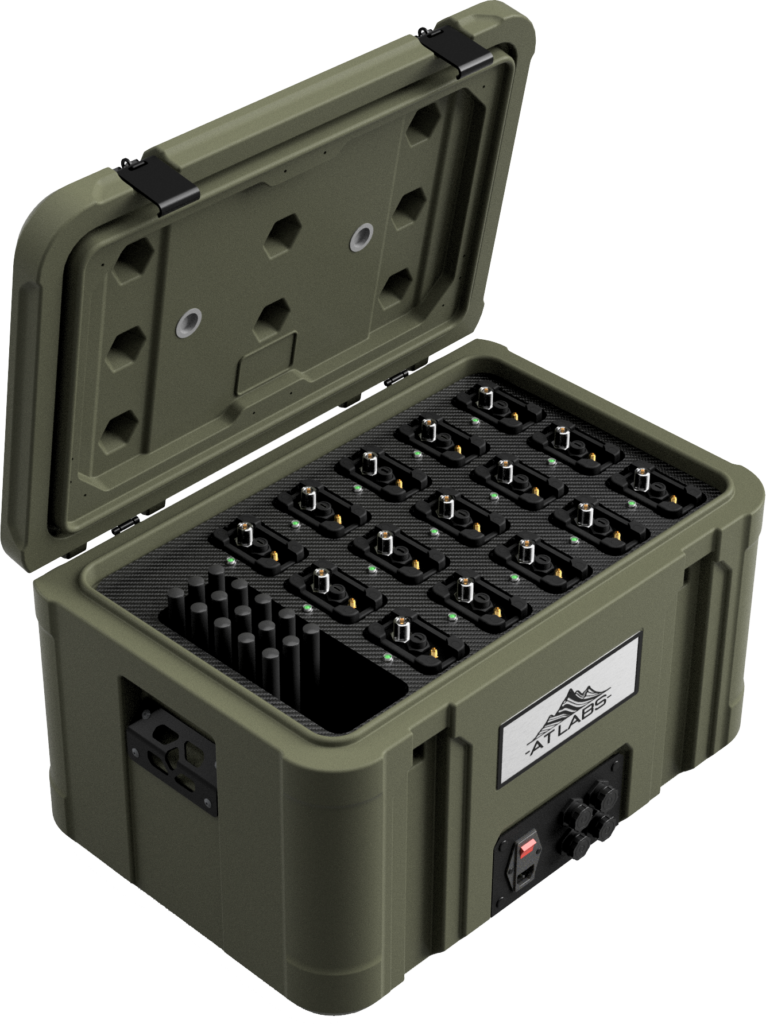
Search and rescue teams often spend critical time assembling communications capability from multiple tools, devices, and temporary infrastructure. AT Labs deployable systems are designed to remove that complexity by providing a complete, field-ready communications and accountability environment in a single deployable platform.
Each system integrates responder communications, local network infrastructure, operational mapping support, and team accountability into a unified deployment model. Systems can be staged at base operations, deployed from vehicles, or positioned forward as mission requirements change.
Designed for operation without reliance on external infrastructure, these systems allow SAR teams to establish reliable communications, tracking, and coordination capability wherever the mission leads.
- • Rapidly deploy communications and tracking capability at incident base or forward staging
- • Maintain team connectivity and visibility across terrain and infrastructure gaps
- • Operate fully on local power and local network infrastructure
- • Support TAK and operational mapping environments without external connectivity
- • Scale from small team deployments to multi-team incident operations
DEPLOYMENT GAMEPLAN
How SAR Teams Typically Deploy AT Labs Systems
Search and rescue teams need communications and accountability systems that deploy quickly and adapt to changing terrain, team movement, and incident complexity. AT Labs systems are designed to be staged, deployed, and expanded as operations evolve, without requiring external infrastructure or specialized technical setup in the field.
System staged at base operations, mobile command, or forward staging locations
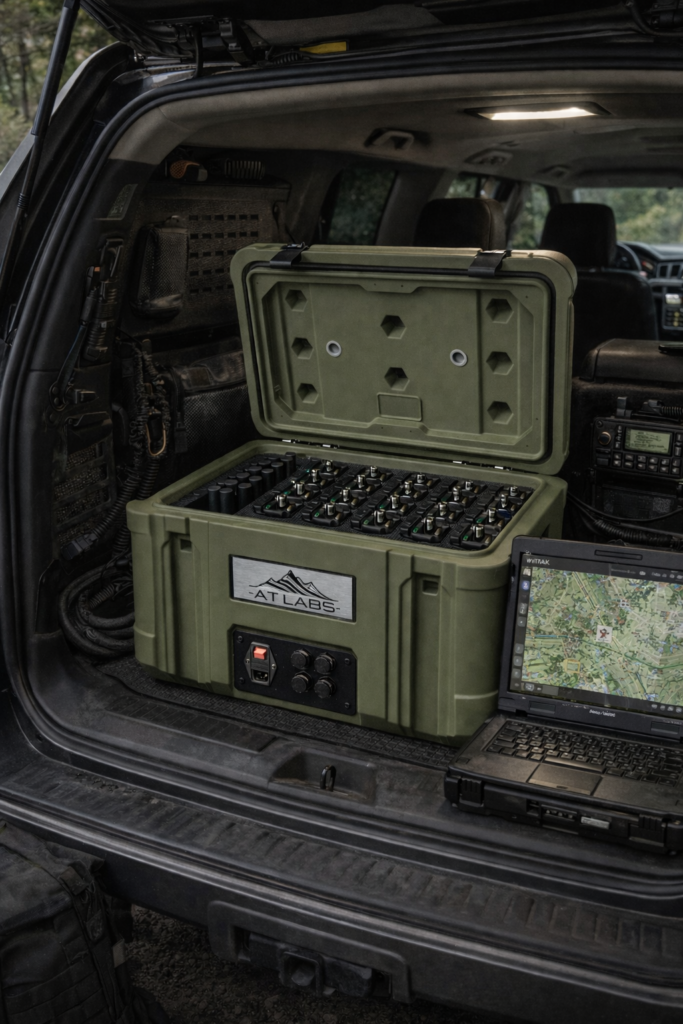
AT Labs systems are built to operate where teams actually work — vehicle cargo areas, mobile command platforms, and forward staging locations. The system is designed to integrate naturally into vehicle-based command workflows without requiring permanent installation, specialized racks, or external infrastructure.
Once staged, the system can be powered and supporting operations within minutes, providing local communications infrastructure, responder visibility, and operational mapping support from a single, self-contained platform. This allows incident command and field teams to establish reliable communications and situational awareness quickly, even when cellular service, fixed network connectivity, or traditional radio infrastructure are degraded or unavailable.